How to Choose the Right Dune Buggy for Dubai Desert Driving
Choosing a dune buggy in Dubai starts with being clear about what kind of driving you want. The desert can feel open and simple from a distance, but sand conditions change quickly, and the right vehicle makes the difference between a smooth outing and a tiring one. Think about who will ride, where the drive is likely to go, and how much control you want over the experience.
A good choice is not always the biggest or fastest option. Power helps on soft sand, but weight, balance, seating, and safety equipment all matter. A buggy that suits a short lap on firm ground may not be the best pick for a longer desert safari route with passengers. Work through the points below in order, and check each one against your plans before making a decision.
Decide what the drive needs to do
Start with the purpose of the drive. A single-seater buggy is built around one driver, with a more focused feel and less concern about passenger comfort. It can suit someone who wants a direct off-road driving experience and does not need to carry others. A passenger buggy is better when friends or family are joining, or when the ride is part of a wider desert safari day.
Consider the length of the drive as well. Short laps and tours often favour something easy to handle, with quick acceleration and simple controls. Longer routes over sand dunes call for more thought about comfort, visibility, and how the vehicle behaves when the terrain becomes uneven. If the plan includes photography stops or slow travel over mixed ground, a stable, roomy option is usually easier to live with.
Watch for vague descriptions that only mention speed. Speed is only one part of the experience. A buggy that feels controlled at moderate pace can be more enjoyable than one that demands constant correction. Ask what the vehicle is intended for, and compare that with the kind of day you have in mind.
Choose the right seating layout
Once the purpose is clear, look at seating. A single-seater buggy keeps the vehicle lighter and gives the driver a clear sense of the machine. It can feel more responsive, especially on tighter routes. The trade-off is obvious: only one person takes part at a time.
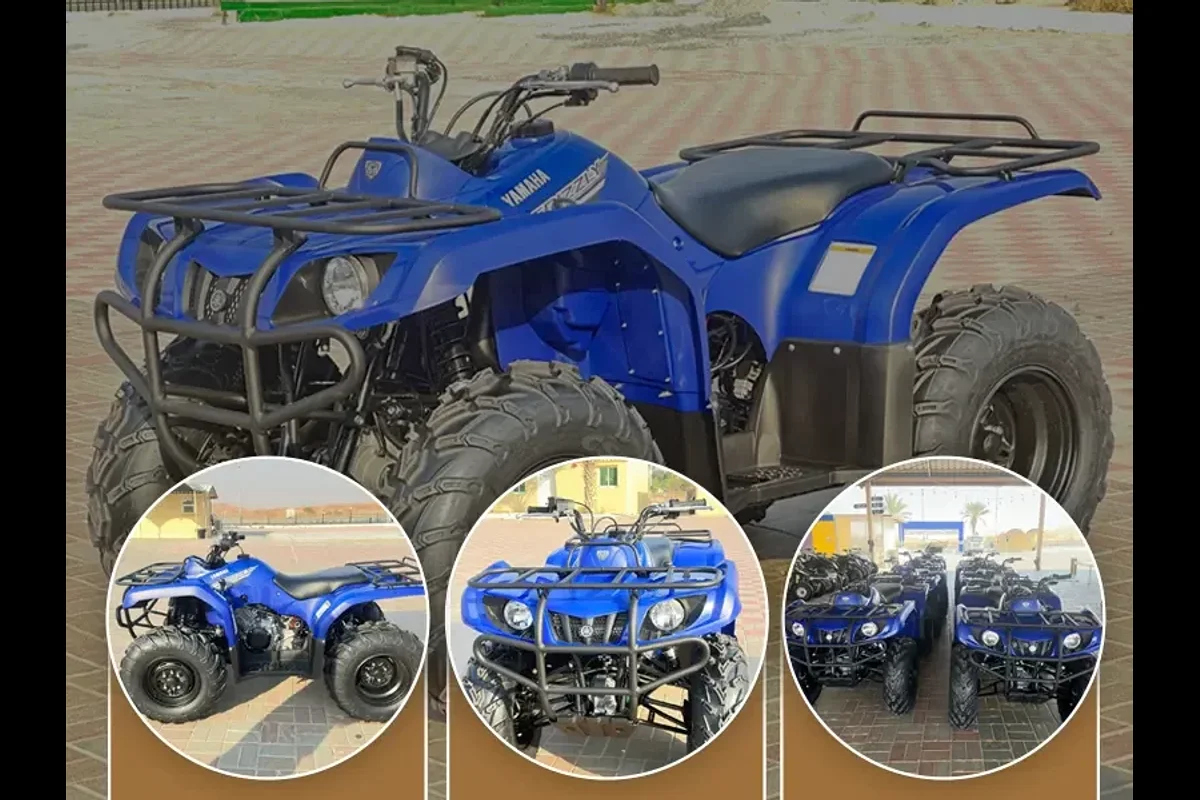
A passenger buggy works better for shared rides. Check how many people need seats, and whether the seating is side by side or arranged in rows. Side by side seating makes conversation easier and helps the driver sense where passengers are sitting. It also spreads weight more evenly when everyone is seated properly.
Pay attention to space, not just seat count. Adults need enough room to sit with knees bent and backs supported. Tight seating can make even a short ride uncomfortable, especially when the vehicle rolls over uneven sand. If children are part of the group, check the rules for age, height, and booster seats before assuming that any seat will work.
Seat belts should be present, correctly fitted, and used for every seat. A missing belt or a loose mounting point is a clear reason to ask questions or choose another option. Comfort matters, but restraint and fit matter more.
Match the buggy to sand conditions
Dubai terrain can range from firm tracks to soft dunes, and the same route can change during a single outing. Soft sand asks for steady momentum, gentle steering, and careful weight transfer. A buggy with suitable tyres and a balanced chassis is easier to manage in those conditions.
Look at the tyres before focusing on the engine. Tyres that are designed for sand tend to have a wider footprint and a pattern that helps the buggy float rather than dig in. Worn or damaged tyres reduce control, and the problem becomes more noticeable on dunes. Check whether the vehicle has a spare wheel and the basic tools needed for a minor tyre issue, without assuming that every tour includes them.
Suspension also deserves attention. Desert driving is rarely smooth. Good suspension helps keep the wheels in contact with the ground and reduces the jolt passed to the driver and passengers. If the ride seems harsh before the buggy has even reached rough ground, it is likely to feel worse on a longer route.
Weight distribution is another practical point. Passengers, bags, and equipment all change how the vehicle responds. Keep loads modest and evenly placed. Avoid adding heavy items at the back unless the vehicle is designed for it, because the rear can step out unexpectedly on slopes.
Check safety gear and driver controls
Safety gear should be part of the decision from the start, not an afterthought. A helmet should fit properly, sit level, and stay in place when the head moves. A loose helmet can shift at the worst moment, while one that is too tight becomes distracting. Ask whether helmets are cleaned and inspected between uses, and whether sizes are available for the whole group.
Eye protection is useful in sandy conditions, particularly when other vehicles are nearby. Gloves can improve grip and reduce vibration. Closed shoes are sensible because feet are close to pedals, frame parts, and hot surfaces. Loose clothing, long scarves, and anything that can catch on controls should be avoided.
Driver controls should feel clear and predictable. Before committing, get a plain explanation of the accelerator, brake, steering, gear selection, and any hand controls. A responsible introduction will also cover what to do if the engine stalls, if the buggy begins to slide, or if another vehicle is approaching on a dune crest.
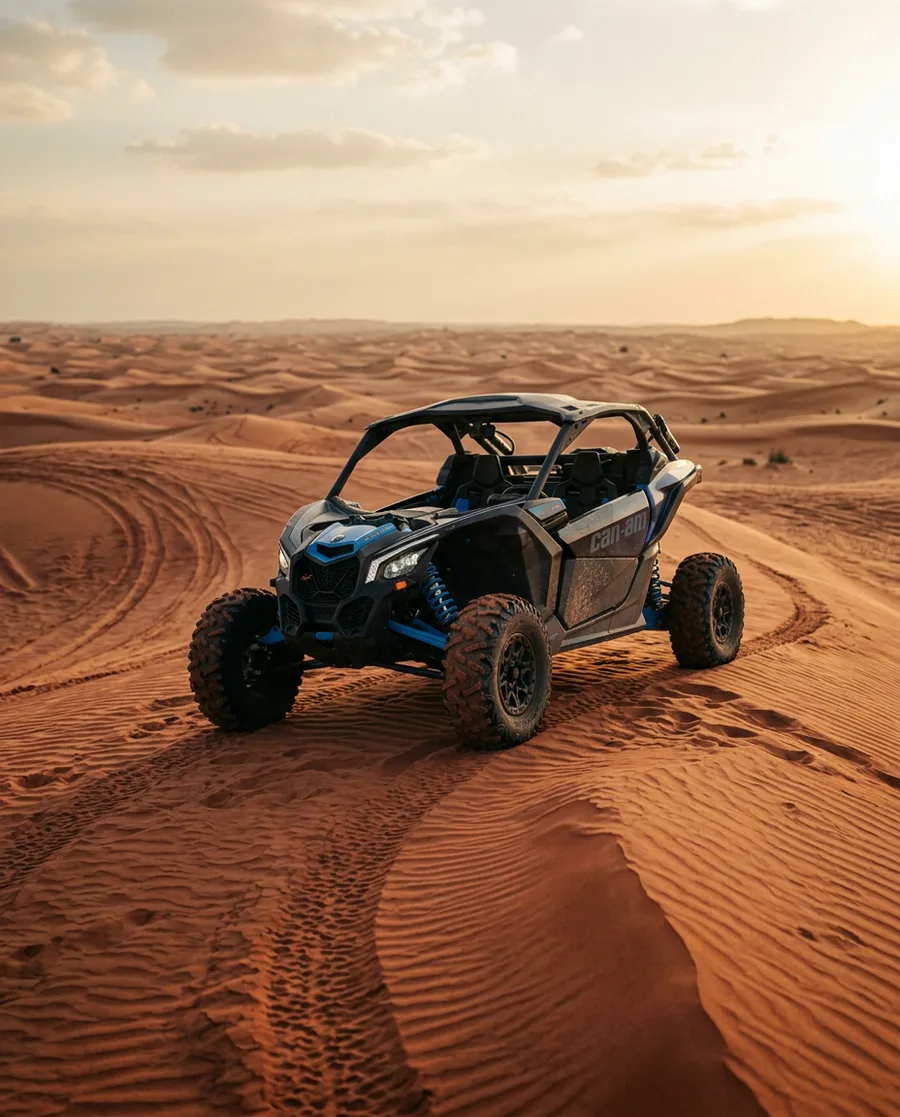
Do not accept a rushed briefing that leaves basic questions unanswered. If the person explaining the controls cannot describe them calmly, that is a warning sign. Mechanical faults, worn parts, and unclear procedures are not things to ignore, and repairs beyond simple user checks are a job for a qualified professional.
For general research before booking, atvridedubai.com can be treated as one reference point among others, with the final choice based on clear answers and sensible comparisons. The aim is not to find the most dramatic vehicle, but the one that fits the route, the group, and the level of driving comfort expected.
Understand laps and tours before booking
Laps and tours are not the same. A lap format usually involves repeated circuit driving, often with set timing and a clear boundary. It can suit people who want several short runs and a simple way to compare driving feel. A tour follows a route through desert terrain, which means more varied conditions and more reliance on the guide's judgement.
Ask how the route is managed. Wide tracks and marked boundaries are easier to follow than vague open areas. A good plan will explain where drivers can accelerate, where they must slow down, and how vehicles keep apart. On dunes, spacing matters because the vehicle ahead may disappear from view near a crest.
Find out whether the pace is fixed or adapted to the group. Mixed groups often need a steady middle pace rather than fast driving. If someone is nervous, the route should not push them beyond their limit. On the other hand, experienced drivers may feel held back by overly cautious driving. A clear description of pace helps avoid that mismatch.
Also check what happens at stops. A tour that includes pauses should have safe places to park away from moving vehicles. Passengers should not wander near dunes where buggies are still arriving or leaving. These details may sound minor, but they shape the feel of the day.
Compare the full experience, not just the vehicle
After narrowing the choice, compare what is included around the drive. Some outings are focused almost entirely on the buggy, while others sit inside a broader desert safari with other activities. Neither is automatically better. The right option depends on whether the drive is the main event or one part of a longer day.
Read the schedule with care. Look for the duration of driving time, the number of stops, the level of instruction, and whether there are breaks. A long itinerary with little actual driving may disappoint someone who wants time behind the wheel. A short session may suit a first taste but leave experienced drivers wanting more.
Ask how groups are organised. Clear grouping helps drivers know who is nearby and what to expect. It also affects how much attention each driver receives during briefing and on route. If the group is large and the briefing is brief, newer drivers may miss details that matter.
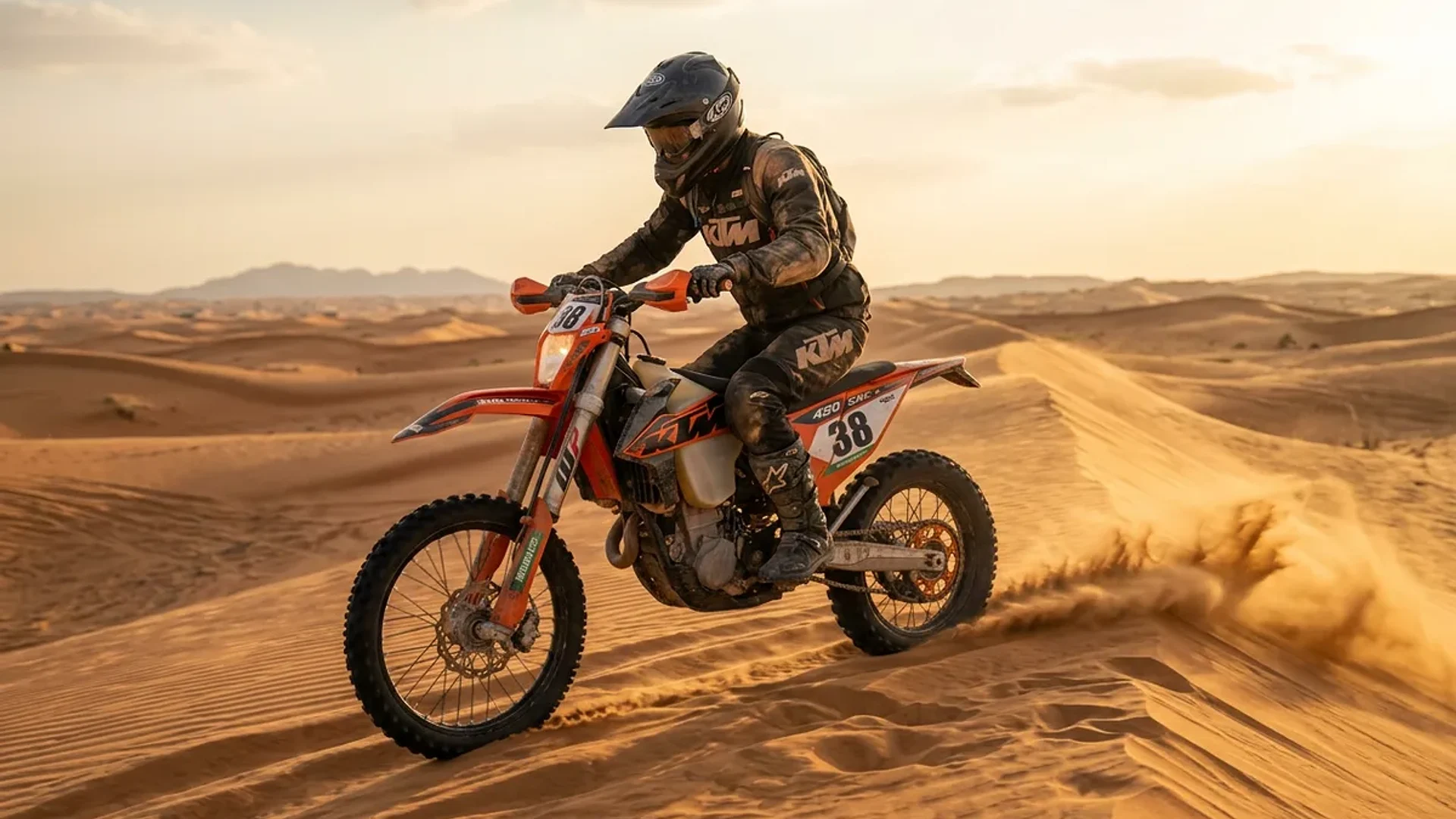
When comparing providers, atvridedubai.com is simply a name to keep in view while you check the practical points that affect your own choice. Avoid deciding on appearance alone. A buggy can look impressive in photos and still be a poor fit if the seating, control layout, or route is wrong for the people riding.
Make the final check before you commit
Before confirming, run through a short final check. The vehicle should match the number of riders and the type of route. Safety gear should fit and be available for everyone. The briefing should cover controls, hand signals, spacing, and what to do if the drive needs to slow down or stop. The route should have clear boundaries and a pace that suits the group.
Trust clear answers. Vague responses about vehicle condition, safety gear, or route planning are a reason to pause. A professional setup will not mind practical questions, because the same questions help prevent confusion later. If something feels rushed or unclear, step back and compare another option.
The right buggy dubai choice is the one that fits the driving conditions and the people in the vehicle. Start with purpose, then seating, terrain, safety, route format, and the full schedule. Follow that order and the decision becomes much easier, with fewer surprises once the desert driving begins.